'/%3e%3crect%20x='0'%20y='0'%20width='200'%20height='100'%20rx='44'%20fill='%23FFFFFF'%20opacity='0.05'/%3e%3cpath%20d='M66%2042%20h68%20a20%2020%200%200%201%2020%2020%20v46%20a20%2020%200%200%201%20-20%2020%20h-46%20l-24%2021%20v-21%20h2%20a20%2020%200%200%201%20-20-20%20v-46%20a20%2020%200%200%201%2020-20%20z'%20fill='%23FFFFFF'/%3e%3cpath%20d='M74%2087%20L94%20107%20L132%2065'%20fill='none'%20stroke='url(%23check)'%20stroke-width='13'%20stroke-linecap='round'%20stroke-linejoin='round'/%3e%3c/svg%3e)
Walking into a job interview unprepared is one of the most avoidable career mistakes — and yet most candidates still prepare by silently reading lists of questions the night before. The result is predictable: rambling answers, missed opportunities to showcase real achievements, and the sinking feeling of "I should have said..." on the drive home.
AI mock interviewers have changed what realistic preparation looks like. Instead of rehearsing in your head, you can now practice a live, spoken interview tailored to the exact job you're applying for — and get scored, detailed feedback minutes later. This guide walks you through exactly how to do it.
What is an AI mock interviewer?
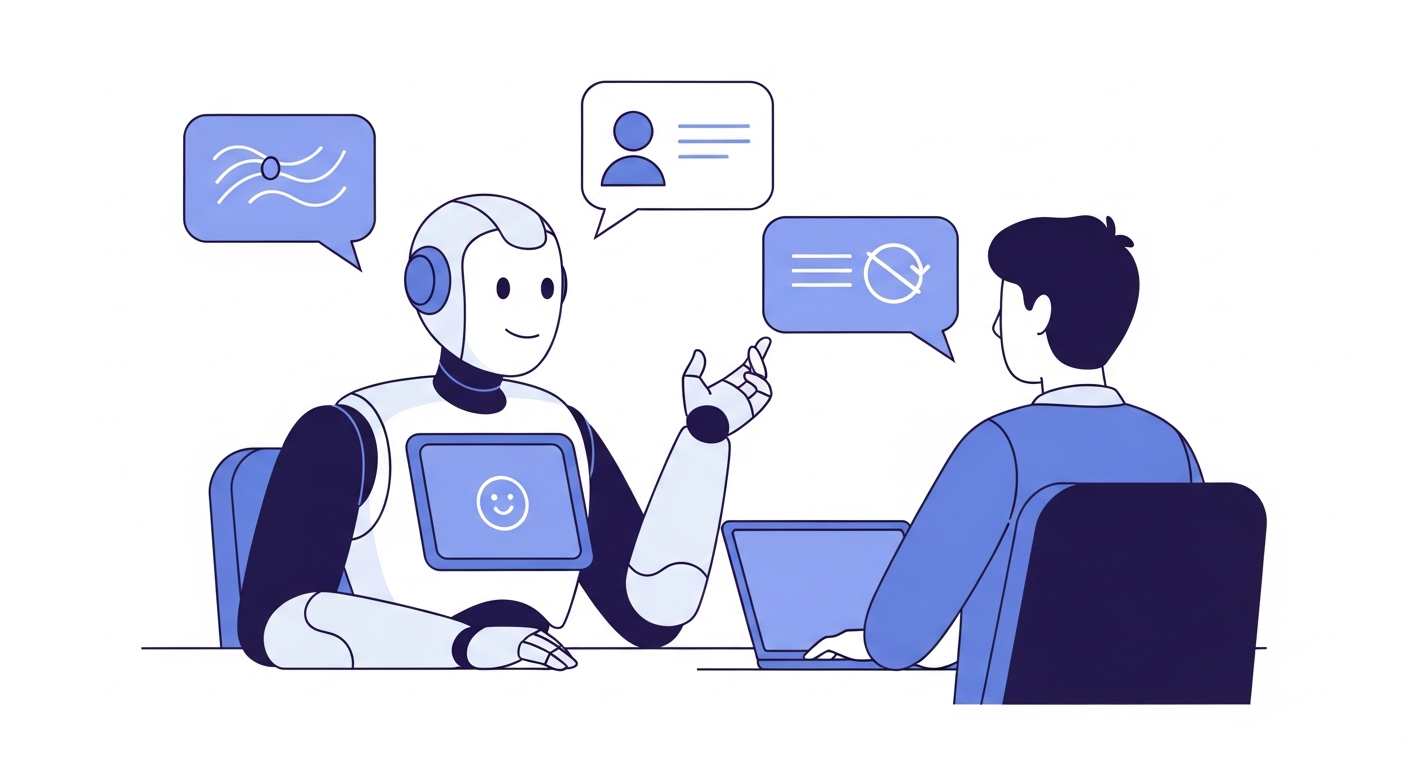
An AI mock interviewer is software that simulates a real job interview. You speak your answers out loud, the AI listens, transcribes what you said, asks intelligent follow-up questions, and evaluates your performance afterward.
The best AI mock interview platforms go far beyond generic question lists. They:
- Generate questions from the actual job description you paste in
- Read your resume and dig into your specific projects and claims
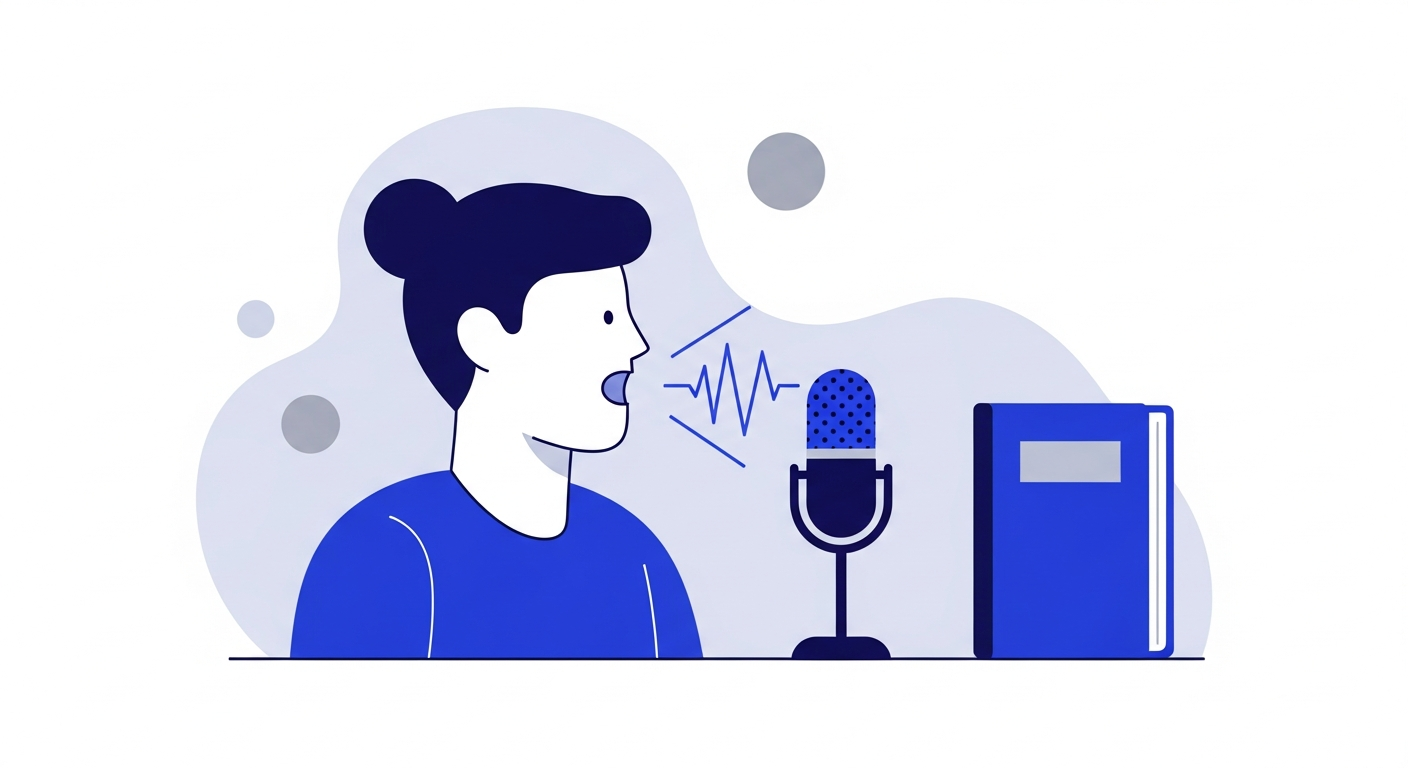
- Conduct the interview by voice, so you practice speaking, not typing
- Ask dynamic follow-ups based on what you actually said
- Produce a detailed feedback report with scores and model answers
In other words, they recreate the pressure and unpredictability of a real interview — which is exactly the thing you can't get from reading a blog post of "top 50 questions."
Step 1: Gather the job description and your resume
Before you start practicing, collect two things:
1. The job description for the role you're targeting. Copy the full text — responsibilities, requirements, nice-to-haves. The more detail the AI has, the more realistic and role-specific your questions will be.
2. Your current resume, ideally the exact version you submitted. Real interviewers probe your resume claims ("I see you led a migration — walk me through it"), and a good AI interviewer will do the same.
This pairing matters. A mock interview built only on a generic role title gives you generic questions. A mock interview built on the real job description *and* your real resume gives you the questions you're actually likely to face.
Step 2: Set up your mock interview
In a platform like Botreadyme, setup takes about two minutes:
1. Paste the job description (or the link to the job posting)
2. Upload your resume
3. Choose the interview length and start
Behind the scenes, the AI analyzes the role's requirements against your background and builds a structured interview plan: an opener, role-specific technical or functional questions, behavioral questions targeting the competencies the job calls for, and resume deep-dives into your specific experience.
Step 3: Treat the practice interview like the real thing
This is where most candidates undersell the exercise. To get real value from an AI mock interview:
- Speak out loud. The entire point is to practice verbal delivery — pacing, filler words, structure under pressure. Don't type; talk.
- Sit like you would in a real interview. Good posture, camera-height eye line, quiet room. If your platform records video, even better — you can review your body language afterward.
- Don't pause the interview to look up answers. Struggling in practice is the goal. Every stumble in a mock interview is a stumble you won't repeat in the real one.
- Answer fully. Give complete, structured answers rather than bullet-point summaries. You're training your speaking muscles, not testing your knowledge.
A realistic AI interviewer will ask follow-ups you didn't anticipate. That discomfort is precisely the training effect you're paying for — embrace it.
Step 4: Read your feedback report carefully
After the interview, a good AI platform generates a detailed evaluation. In Botreadyme's reports you'll see:
- An overall score summarizing your performance
- Per-answer analysis: what you said, what worked, what didn't
- Model answers showing how a strong candidate would have structured each response
- Communication feedback: clarity, structure, confidence, filler words
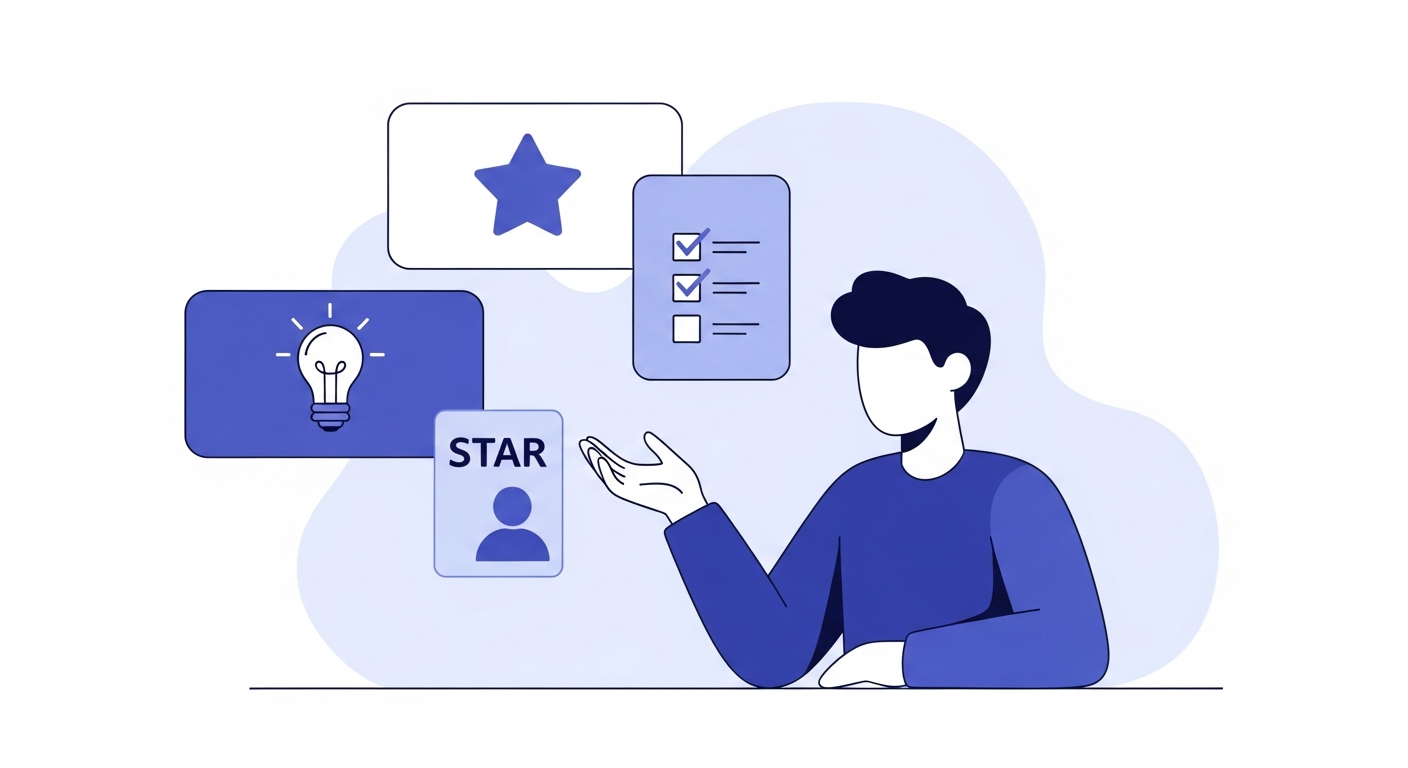
Don't just glance at the score. The highest-leverage part of the report is the gap between your actual answer and the model answer. Read them side by side and ask: what did the model answer include that I skipped? Usually it's one of three things — a concrete metric, a clear structure (situation, action, result), or an explicit connection back to the role's requirements.
Step 5: Retake with fresh questions
One practice interview is a diagnosis. Improvement comes from repetition.
The key is that your retakes should not recycle the same questions — otherwise you're memorizing a script, not building skill. Look for a platform that generates fresh questions on every attempt while reinforcing the areas where you struggled. That combination — mostly new questions, plus targeted repeats on your weak spots — is how you improve fastest.
A realistic practice cadence for a serious application:
- 5–7 days before the interview: first full mock interview, read the report
- 3–4 days before: second mock, focusing on the weaknesses the report flagged
- 1–2 days before: final mock to confirm improvement and build confidence
Three focused practice interviews will put you ahead of the overwhelming majority of candidates, most of whom will have rehearsed nothing out loud at all.
Common mistakes to avoid
- Practicing with generic questions only. "Tell me about yourself" matters, but the questions that decide offers are role-specific. Always practice against the real job description.
- Reading answers instead of speaking them. Recognition is not recall. If you've only read a good answer, you don't own it yet.
- Ignoring the delivery feedback. Content gets you considered; delivery gets you remembered. If your report flags rambling or low structure, fix that before adding more content.
- Cramming the night before. Speaking skills consolidate with sleep and repetition. Start practicing at least several days out.
How much does AI mock interview practice cost?
Far less than the alternatives. Human interview coaches typically charge $100–300 per session. AI mock interview platforms usually offer free practice minutes to start — Botreadyme, for example, gives new users 30 free interview minutes with no credit card required, with a one-time (not subscription) upgrade for more.
Given that a single salary negotiation outcome can be worth thousands, structured interview practice is one of the highest-ROI investments a job seeker can make.
Start practicing today
The candidates who win offers aren't necessarily the most qualified — they're the ones who communicate their qualifications most convincingly under pressure. That's a trainable skill, and AI mock interviews are the most accessible way to train it.
Paste your job description, upload your resume, and take your first realistic practice interview with Botreadyme — your first 30 minutes are free.
Ready to practice for real?
Paste your job description, upload your resume, and take a live AI mock interview with detailed feedback. Your first 30 minutes are free.
Start Practicing Free