'/%3e%3crect%20x='0'%20y='0'%20width='200'%20height='100'%20rx='44'%20fill='%23FFFFFF'%20opacity='0.05'/%3e%3cpath%20d='M66%2042%20h68%20a20%2020%200%200%201%2020%2020%20v46%20a20%2020%200%200%201%20-20%2020%20h-46%20l-24%2021%20v-21%20h2%20a20%2020%200%200%201%20-20-20%20v-46%20a20%2020%200%200%201%2020-20%20z'%20fill='%23FFFFFF'/%3e%3cpath%20d='M74%2087%20L94%20107%20L132%2065'%20fill='none'%20stroke='url(%23check)'%20stroke-width='13'%20stroke-linecap='round'%20stroke-linejoin='round'/%3e%3c/svg%3e)
Here's an uncomfortable truth about interview preparation: most of what candidates call "practice" isn't practice at all.
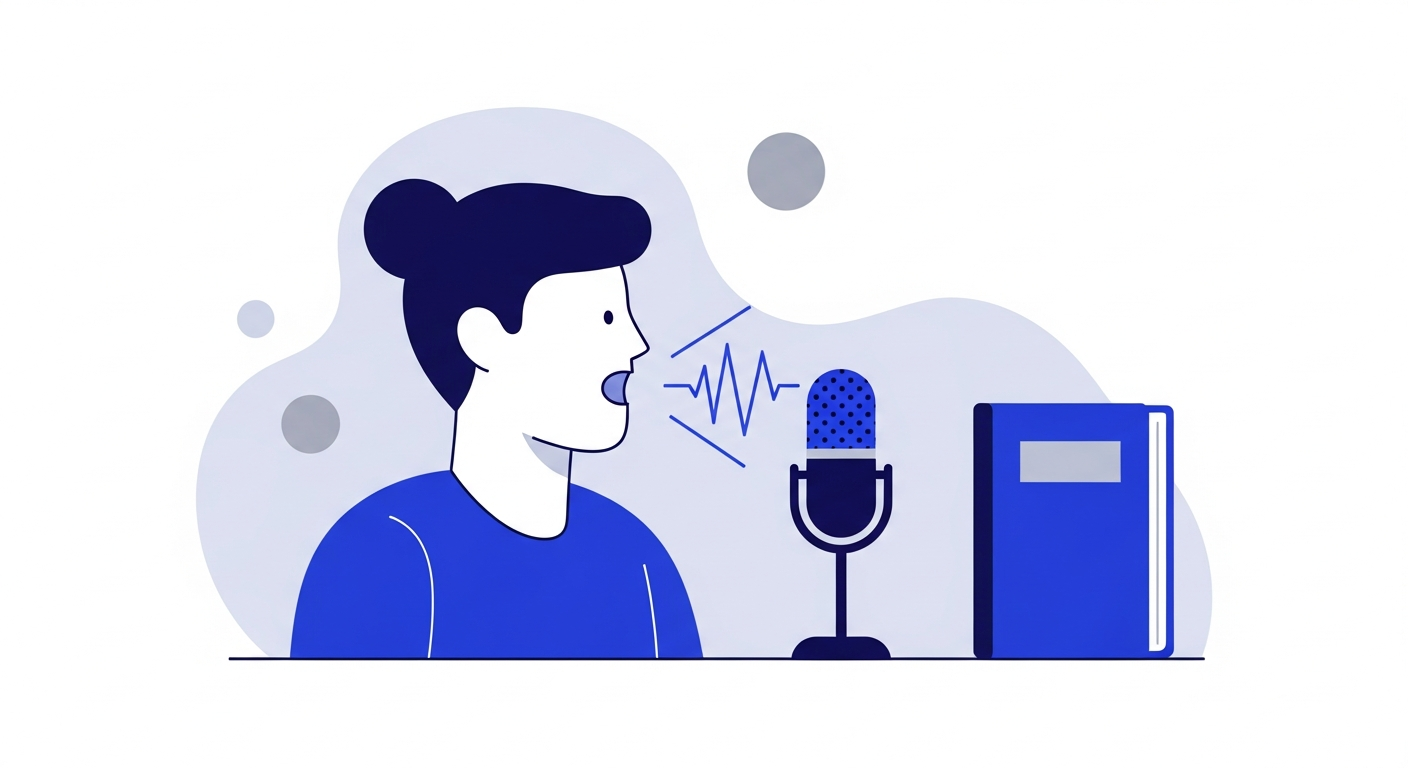
Reading lists of common questions is not practice. Skimming model answers is not practice. Mentally rehearsing while commuting is not practice. These activities feel productive — and they're better than nothing — but they train recognition, not performance. An interview is a spoken performance, and the only way to prepare for a spoken performance is to speak.
The science: why reading answers doesn't work
Cognitive psychology draws a sharp distinction between recognition and recall. When you read a great answer to "tell me about a time you failed," your brain files it as familiar. Later, when you see that answer again, you recognize it instantly — which creates a powerful *illusion of knowing*.
But an interview doesn't ask you to recognize a good answer. It asks you to produce one — out loud, under pressure, in real time, with someone watching. Production draws on completely different cognitive machinery: retrieving the memory, structuring it on the fly, and converting it to fluent speech simultaneously.
This is the same reason you can read a foreign language far better than you can speak it, and why students who re-read textbooks underperform students who self-test. The research on this — often called the *testing effect* or *retrieval practice* — is among the most replicated findings in learning science: effortful retrieval beats passive review, dramatically.
What happens when you skip out-loud practice
If your first time saying an answer out loud is in the actual interview, several predictable things go wrong:
- You ramble. Without rehearsal, spoken answers run 2–3x longer than intended. The mental bullet list that took 20 seconds to review takes three unstructured minutes to say.
- Filler words multiply. "Um," "like," and "you know" spike when your brain is composing and speaking simultaneously for the first time.
- You bury the lede. Under pressure, unrehearsed speakers narrate chronologically ("So first I joined the team, and then...") instead of leading with the point.
- Your voice betrays your nerves. Pace, volume, and tone are physical skills. They don't improve from silent reading any more than your free throw improves from watching basketball.
Interviewers consistently report that they decide within minutes whether a candidate is "polished." Polish is not intelligence — it's rehearsal.
What effective mock interview practice looks like
Effective practice has three non-negotiable ingredients:
1. It's spoken, under realistic conditions
Sit up. Speak at interview volume. Answer completely, from opener to conclusion, without stopping to restart. If you stumble, recover and continue — exactly as you'd have to in the real room. Recovery is itself a skill worth training.
2. It's unpredictable
If you know exactly which question is coming, you're rehearsing a script. Real interviews ask follow-ups, rephrase questions, and probe unexpected corners of your resume. Your practice should too. This is why practicing alone with a fixed question list plateaus quickly — you need an interviewer (human or AI) who genuinely surprises you.
3. It produces feedback you can act on
Practice without feedback just reinforces existing habits — including bad ones. After each mock interview you need to know: Which answers were weak? Where did you ramble? What would a stronger answer have included? Ideally you also see a transcript or recording, because self-perception during an interview is notoriously unreliable.
Your options for out-loud practice, compared
Practicing alone (mirror, voice memos): Free and better than silence, but there's no unpredictability and no external feedback. Useful for polishing a specific story, weak as a complete method.
A friend or peer: Adds a listener and some unpredictability. But friends rarely ask hard follow-ups, their feedback is polite rather than precise, and scheduling limits you to a session or two.
A professional interview coach: Excellent feedback quality, but at $100–300 per hour, iterating multiple times per application is out of reach for most candidates.
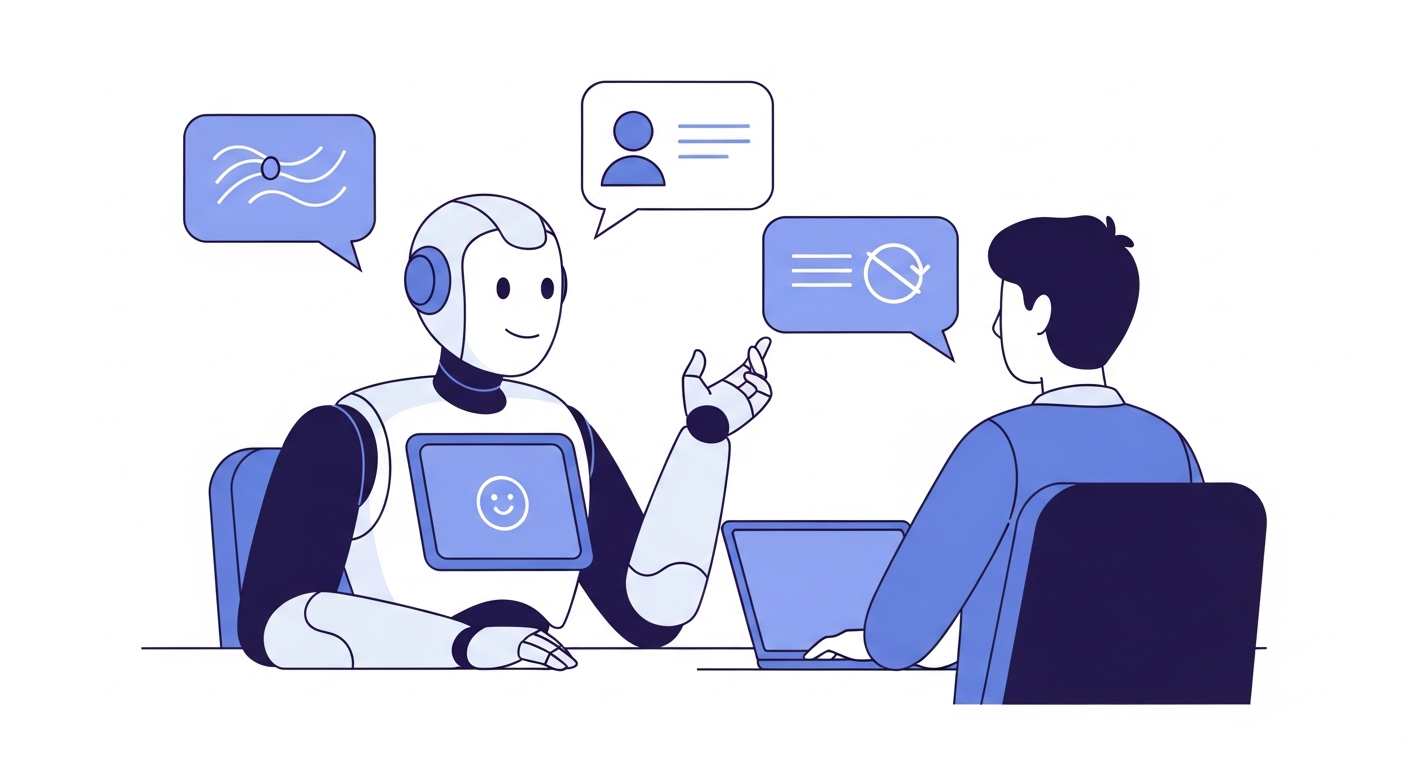
An AI mock interviewer: Available on demand, asks role-specific questions generated from your actual job description and resume, conducts the interview by voice with dynamic follow-ups, and produces detailed scored feedback within minutes. The economics change the game: instead of one expensive rehearsal, you can run a full practice interview every day for the week before your real one.
A practical one-week practice plan
Here's a schedule that reliably transforms interview performance in seven days:
- Day 1: Take a full mock interview cold. Don't prepare — you want an honest baseline. Read the feedback report thoroughly.
- Day 2: Rewrite your two weakest answers using the model-answer structure. Say each new version out loud three times.
- Day 3: Second full mock interview. Compare scores against the baseline.
- Day 4: Rest your voice; review transcripts. Note filler words and rambling patterns.
- Day 5: Third mock interview, focusing consciously on delivery — pace, structure, concision.
- Day 6: Targeted practice on any remaining weak question categories.
- Day 7 (day before): One final confidence run. Stop early if it goes well — arriving fresh beats arriving over-rehearsed.
Total time investment: perhaps four hours across the week. The difference in the room is enormous.
The bottom line
Interview success goes disproportionately to candidates who have already said their answers out loud, under pressure, before the day that counts. Reading prepares you to recognize good answers; speaking prepares you to deliver them.
Botreadyme makes out-loud practice effortless: paste your job description, upload your resume, and take a live voice interview with an AI interviewer that asks realistic, role-specific questions and scores every answer. Your first 30 minutes are free — no credit card required.
Ready to practice for real?
Paste your job description, upload your resume, and take a live AI mock interview with detailed feedback. Your first 30 minutes are free.
Start Practicing Free